


Mgr. Daniel Svoboda
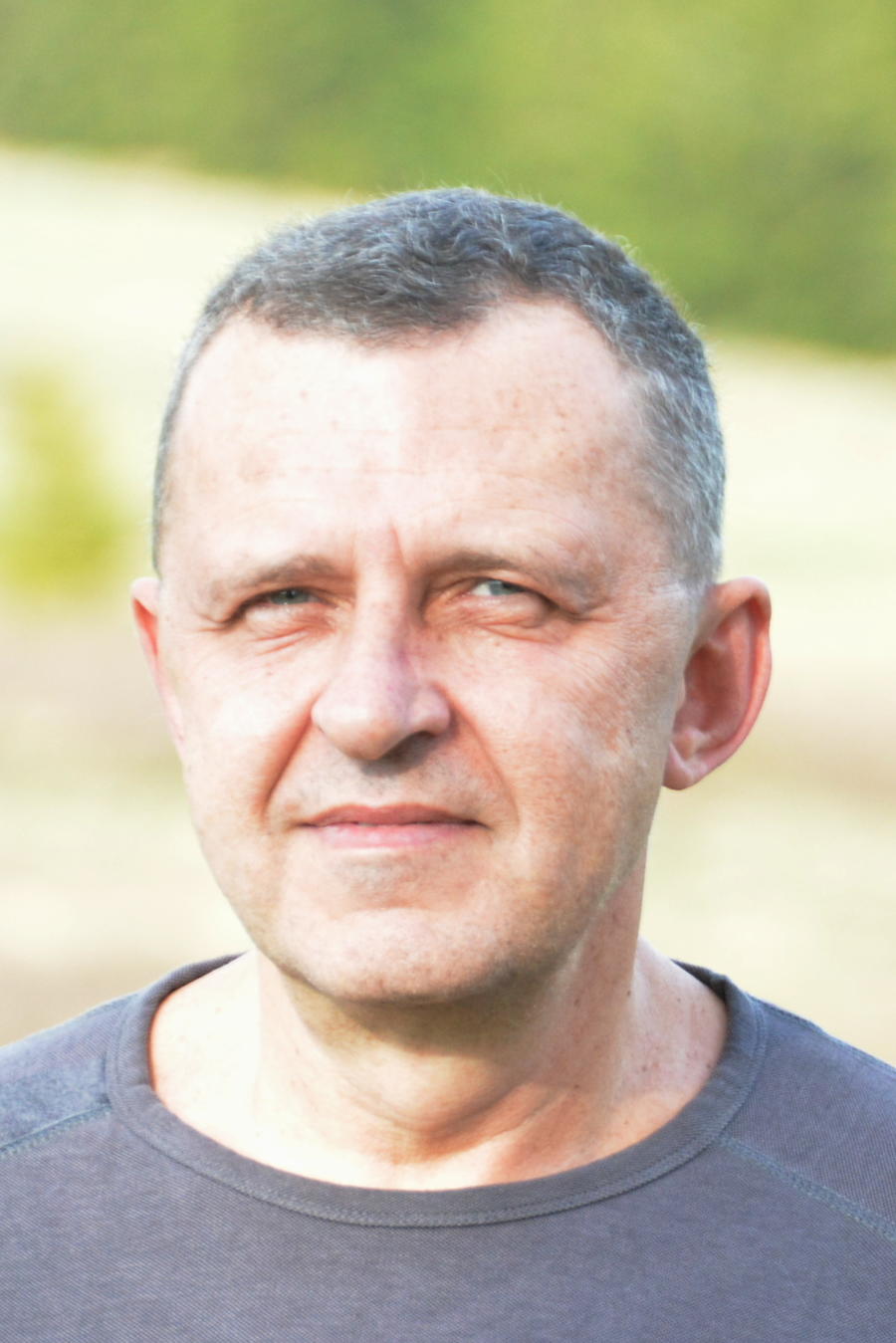
Daniel is the co-founder and current President of the Czech Evaluation Society (https://czecheval.cz/en). Until 2023, he was the coordinator of IDEAS – International Development Evaluation Association (https://ideasglobal.org/) and the International Evaluation Academy (https://ieac.global/). He has experience in development cooperation and European programs. From 2009 to 2024, he was a monitor of the European environmental program LIFE. On behalf of ČES, he is a member of the evaluation reference groups and the Council for Development Cooperation of the Ministry of Foreign Affairs and an evaluation mentor for the Ministry of Health. He is a lecturer in project management and evaluations at the Faculty of Tropical AgriSciences of the Czech University of Life Sciences in Prague. In 2007–2017, he was the coordinator of the EPDET – European Program for Development Evaluation Training – summer evaluation school in the Czech Republic and Slovakia.
More information: https://www.linkedin.com/in/daniel-svoboda-189595147/
Contact (e-mail and/or phone): svoboda@czecheval.cz; +420 724 179 562
Easy local/face-to-face cooperation: Czech Republic and Slovakia
Links to reference publications: Handbook on Project Cycle Management of Development Projects, Transformational Evaluation for the Global Crises of Our Times, Transformational Change for People and the Planet – Evaluating Environment and Development
What type of cooperation can a member be approached, based on his work?
- I conduct evaluations as an independent consultant (i.e. I provide evaluation consultations, I can become a member of the project implementation team as an evaluator, I conduct evaluations independently based on an agreement/order)
- I am an evaluation trainer/mentor (i.e. I am interested in requests for professional evaluation training or mentoring)
Which areas and approaches in evaluations are of most interest to the member?
- Evaluation of projects and programs in development cooperation and humanitarian aid
- Evaluation based on qualitative research
- Participatory and community approaches in evaluations
- Evaluation in the field of regional policy and regional development
- Education in the field of evaluation and monitoring
- Development of evaluation methodology and testing of new methods
- Procurement of evaluations